
Please Mr. Postman
One Great Song in three great flavours

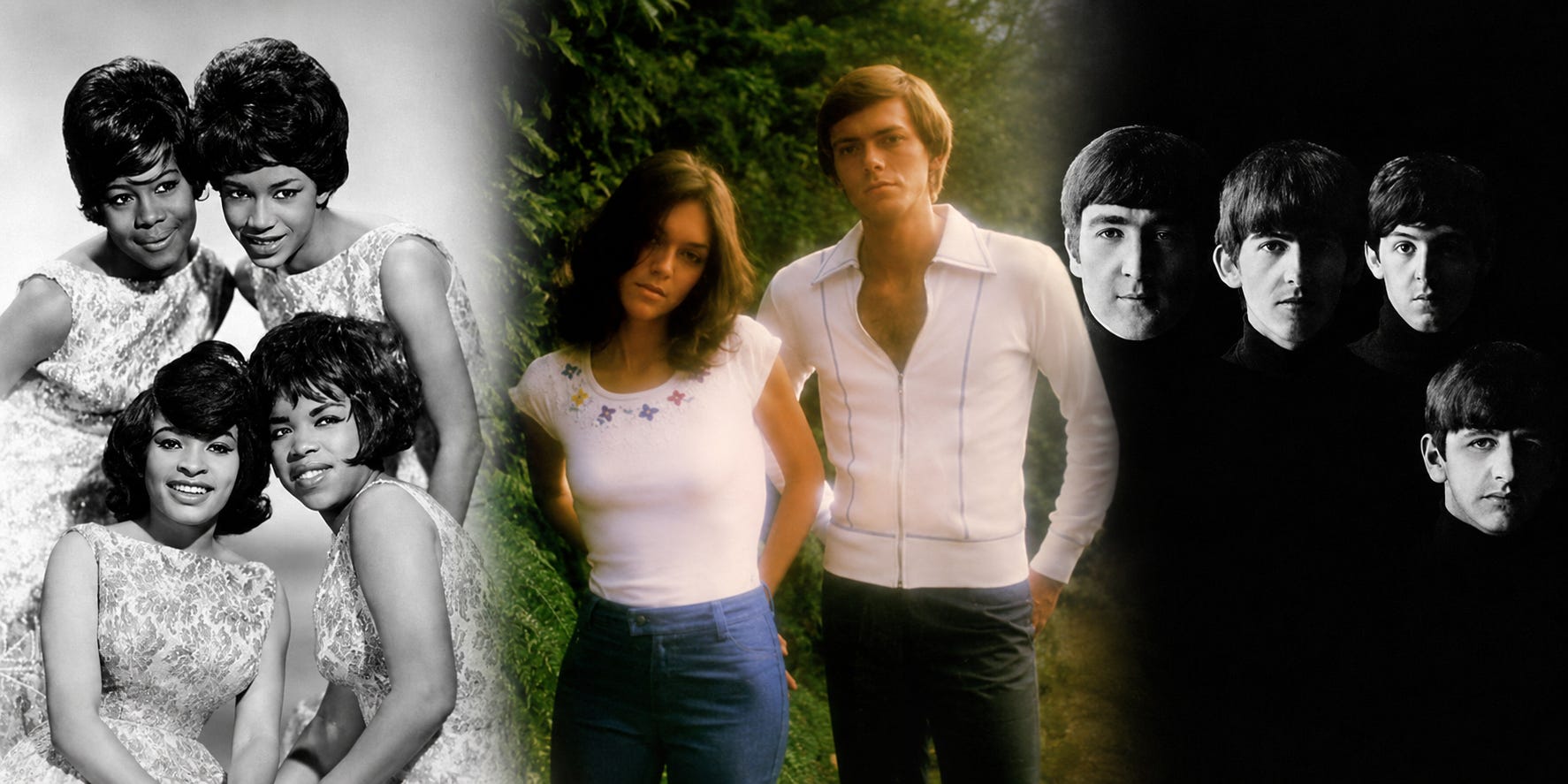
Covers sometimes, if not always, get treated unfairly in music discussions. People often assume the original version is automatically superior. I guess often this would include me
But you know, songs evolve. And sometimes a great cover doesn’t erase the original; it expands the song’s universe and reveals possibilities hidden inside the composition.
That’s exactly what happened here. Some songs are just built differently.
You hear them once, and you immediately know they have that rare quality musicians dream about: flexibility. The ability to survive different decades, different production styles, and completely different artists without losing their soul.
Please Mr. Postman is one of these songs.
What fascinates me about this track is not just that it became a hit multiple times but that every major version somehow feels authentic to the artist performing it. And this is harder than it sounds. A lot of covers feel like karaoke with better production.
But Please Mr. Postman transformed itself every time it changed hands, and this is the mark of truly great songwriting.
Three versions, same core song, completely different emotional experiences.
The Original Delivery: The Marvelettes (1961)
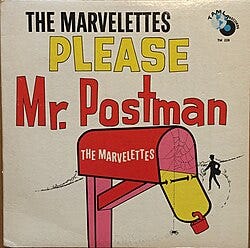
So, everything starts in Detroit.
Released in 1961 on the legendary Motown label, Please Mr. Postman was the debut single by The Marvelettes, and what a debut it was. Written by Georgia Dobbins, William Garrett, Freddie Gorman, Brian Holland, and Robert Bateman, the song became Motown’s first No. 1 pop hit.
Well, this alone makes it historically important, but beyond the charts, the song captured something essential about early Motown: emotional directness wrapped inside irresistible rhythm.
Lead singer Gladys Horton sounds desperate, impatient, and hopeful all at once; the entire song revolves around anticipation, the agony of waiting for a letter from someone you love.
And remember, this was an era when communication wasn’t instant: no texting, no social media, and no “seen” notifications. Waiting for the mail actually meant something emotionally.
Musically, the track is classic early Motown: Tight drums, handclaps, call-and-response vocals, and a groove that feels impossible to resist. It’s simple, energetic, and full of personality.
What I love most about the original version is how innocent yet urgent it feels. It’s heartbreak you can dance to, and this became one of Motown’s greatest superpowers.
🎵 Listen to it here:
Spotify │ Apple Music │ Amazon Music
The Beatles Version: Raw Energy and Joy (1963)
Then came The Beatles.
By 1963, The Beatles were still absorbing massive amounts of American rock and R&B influences. Their second album, With The Beatles, included several covers, a reminder that before they became untouchable songwriting gods, they were also a phenomenal live band interpreting the music they loved.
And their version of Please Mr. Postman is pure youthful adrenaline.
Where The Marvelettes’ version grooves, The Beatles’ version charges forward; the tempo feels more aggressive, the guitars sharper, and the harmonies more explosive.
And then there’s John Lennon’s vocal performance.
Lennon attacks the song with that rough-edged urgency he was so good at in the early years. His voice almost sounds impatient enough to burst through the speakers; you believe this man desperately wants that letter.
The Beatles didn’t radically reinvent the song structurally yet; instead, they filtered it through their identity: energetic, loud, charmingly scrappy, and deeply rooted in rock and roll. So, you know they’re The Beatles.
It also highlights something people sometimes forget about early Beatles records: they could rock hard. Before the psychedelic experiments and orchestral arrangements, there was a band that could tear through an R&B cover with frightening energy.
And honestly? Their version still sounds alive today because of that rawness.
🎵 Listen to it here:
Spotify │ Apple Music │ Amazon Music
The Carpenters Version: Smooth Perfection (1975)
Now here’s where things get interesting.
Because if you told someone in 1963 that Please Mr. Postman would later become a hit for the Carpenters, they might have laughed. Yet somehow, it worked beautifully.
Released in 1975, the Carpenters’ version takes the song into completely different territory. Gone is the raw Motown bounce. Gone is The Beatles’ rock-pop band urgency. In its place are immaculate production, layered harmonies, and that unmistakable voice and talent: Karen Carpenter.
Karen doesn’t sing the song with desperation; she sings it with longing.
This changes everything.
The arrangement is smoother, warmer, and more polished. The groove leans toward soft rock and adult contemporary pop, yet the emotional core of the song somehow remains intact.
That’s the genius of both the song and the Carpenters.
Their version feels reflective, almost lonely. Instead of teenage anxiety, you get emotional maturity. The waiting feels heavier somehow, less dramatic, more internal.
And vocally, man, Karen Carpenter could communicate sadness with almost supernatural precision; even simple lines carried emotional weight in her hands.
What amazes me is that the Carpenters didn’t fight against the song’s pop DNA; they embraced it and reshaped it into their own style completely. That’s not imitation; that’s interpretation.
🎵 Listen to it here:
Spotify │ Apple Music │ Amazon Music
One Song, Three Identities
What makes Please Mr. Postman fascinating is that all three versions reveal different aspects of the song’s persona.
The Marvelettes’ version is hopeful and rhythmic.
The Beatles’ version is urgent and youthful.
The Carpenters’ version is reflective and melancholic.
And yet, none of them feels “wrong.” This is incredibly rare.
A lot of songs are trapped inside the era that created them, but truly great songs can travel through time because their emotional foundation is universal: love, anticipation, loneliness, hope—those things survive stylistic changes. And each artist brings out something different depending on who they are.
The Marvelettes brought Motown soul.
The Beatles brought rock and roll energy.
The Carpenters brought emotional softness and precision.
Same song, different emotional weather.
The Beatles helped introduce the song to rock audiences; the Carpenters proved it could survive inside polished 1970s pop. And through it all, The Marvelettes’ original remained the foundation holding everything together.
And honestly, it’s kind of beautiful when you think about it.
One song recorded in 1961 continues traveling through generations, changing clothes but keeping its heart intact.
Please Mr. Postman reminds me that sometimes the best songs are the ones flexible enough to become mirrors for different artists.
Each version tells us something not only about the song but also about the people singing it, and somehow, all three are essential.
This is not just good songwriting; this is musical immortality.
Still checking the mailbox for records, even though everything arrives digitally now.
Until next time,
— Jorge @ Geekatune
🔊 Check out Geekatune’s playlist on Spotify. It’s got every track we’ve talked about on the blog. Eclectic? Absolutely. Predictable? Never.